Our program aims to alleviate the tremendous personal, familial, and societal burden of mental illness and substance use disorders by using state-of-the-art technologies to identify molecular markers that can be used to develop new medications and tailor treatment to individual patients.


PhD Erasmus University Rotterdam 1993 - Dr. Van den Oord was trained in statistics and psychiatric genetics. At BPM, Dr. Van den Oord has primary responsibility for developing novel statistical and computational methods and for implementing these methods in user-friendly software that can be efficiently deployed on high-performance computing clusters. His current research focuses on psychiatric disorders (including autism spectrum disorder, schizophrenia, bipolar disorder, and major depressive disorder), substance use disorders (such as alcohol use disorder and adolescent cannabis use disorder), and suicide. These efforts involve the use of large-scale single-cell studies to identify new drug targets. In addition, AI-based computational drug discovery is used to screen new compounds against these targets to identify potential new medications. Finally, his work focuses on brain-derived extracellular vesicles as tools for identifying next-generation biomarkers to improve diagnosis, risk prediction, and prevention.
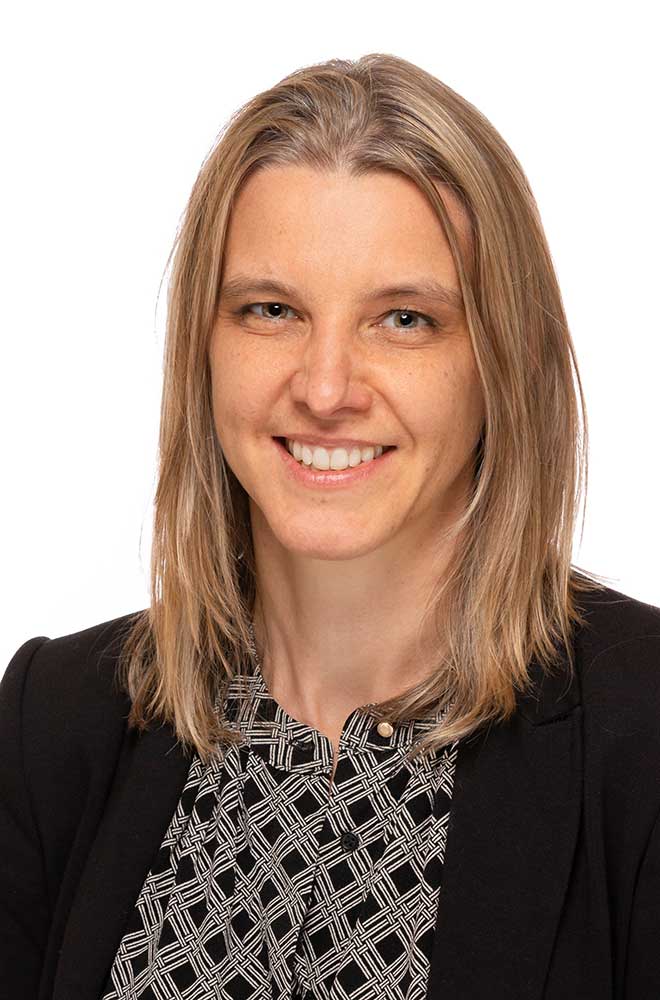
PhD Uppsala University, Sweden, 2005 – Dr. Aberg was trained in medical science and biology with focus on psychiatric genetics. Aberg’s research interests are focused on the etiology and treatment of psychiatric phenotypes, including schizophrenia, bipolar disorder, depression, autism spectrum disorder and addiction. Under the co-leadership of Dr. Aberg, the BPM team has been at the forefront of adopting sequencing-based technologies to explore the methylome and transcriptome. The team’s pioneering work spans both bulk tissue analyses (using RNA-seq and MBD-seq) and cell-type-specific profiling (using snRNA-seq and snMethyl-seq). More recently, the group is developing innovative methods for high-resolution analysis of the RNA cargo in extracellular vesicles (EVs), a rapidly evolving area with significant potential for biomarker discovery. Current research projects focus on post-mortem brain and neonatal blood samples to uncover the molecular mechanisms of schizophrenia and autism, aiming to improve early risk prediction for these disorders. Parallel studies seek to identify biomarkers that can help predict suicide risk in individuals with psychiatric conditions.
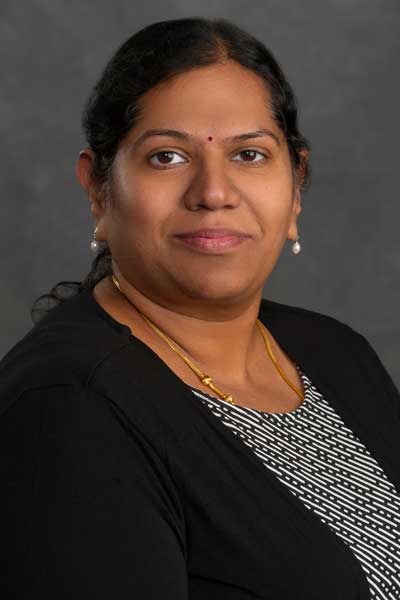
Dr. Nehru Viji Sankaranarayanan is a computational biophysicist and drug-discovery scientist who earned her PhD from the University of Madras, India. Her research integrates molecular modeling, virtual screening, and multi-omics analysis to support therapeutic target identification and lead optimization. She is particularly interested in glycosaminoglycan–protein interactions, large-scale docking of diverse chemical libraries using high-performance computing, and the development of machine-learning–assisted pipelines for structure-guided pharmacophore modeling and ADMET-based compound prioritization. At BPM, Dr. Sankaranarayanan leads computational drug-discovery efforts and collaborates closely with genomics, epigenomics, and experimental pharmacology teams to translate molecular insights into precision-medicine strategies for psychiatric disorders.
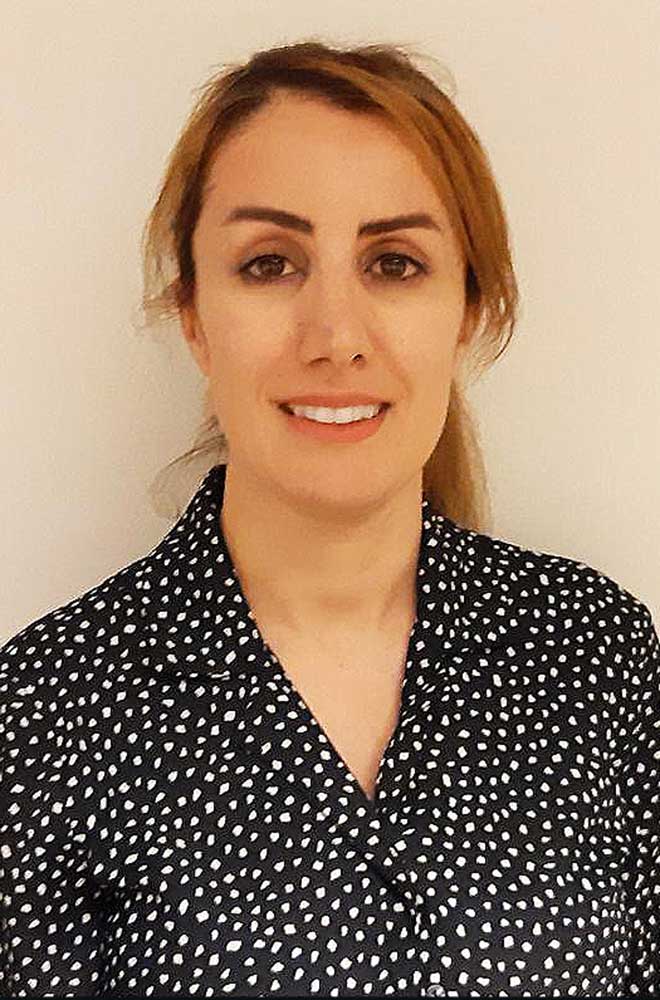
Nasibeh Karimi, Ph.D. is a Research Assistant Professor at BPM. Dr. Karimi earned her Ph.D. in Genetics in 2018, where her research focused on extracellular vesicles (EVs) and their potential as biomarkers in cancer. During her postdoctoral training, her work continued to focus on EVs, addressing the experimental and analytical challenges of studying these complex particles in biospecimens such as plasma and tissue samples. She developed and evaluated optimized methodologies using cancer as a model system to assess the potential of EVs as biomarkers and drug delivery carriers. At BPM, Dr. Karimi leads projects focused on developing novel methods for studying EVs and applying these approaches to biospecimens to identify potential biomarkers for psychiatric and substance use disorders. Her research emphasizes method development, molecular characterization, and biomarker discovery to advance precision medicine.
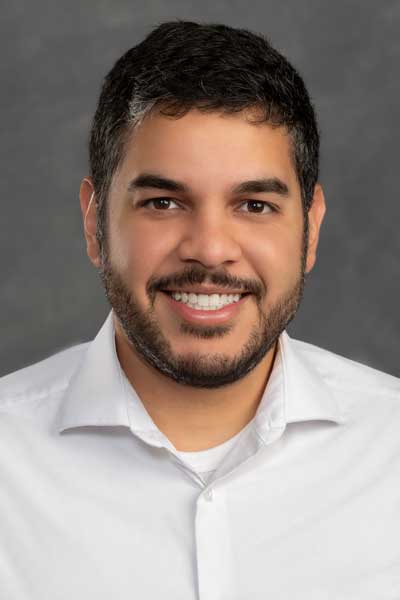
PhD Virginia Polytechnic Institute and State University, 2025 - Dr. Schettini is a computational biologist with expertise in molecular genetics, data science, and multi-omic data integration. His research focuses on the development and application of computational methods to elucidate the molecular mechanisms underlying psychiatric disorders.
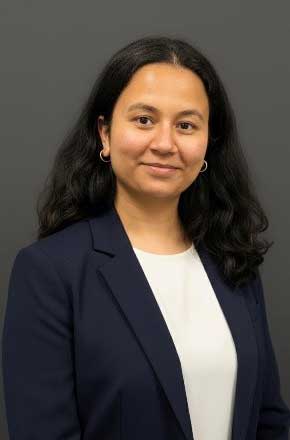
Bidhya Acharya is a second-year pharmacy student at VCU school of Pharmacy. She earned her B.S. in Chemistry from the University of Pittsburgh. As a laboratory assistant in the BPM lab, she contributes to research on biomarkers for psychiatric disorders and precision medicine approaches. Her previous experience includes three years as a molecular cytogenetic technologist at UPMC Magee Women's Hospital, where she specialized in DNA extraction and microarray analysis. Outside the lab and pharmacy school, Bidhya enjoys painting and spending time with her friends and family.
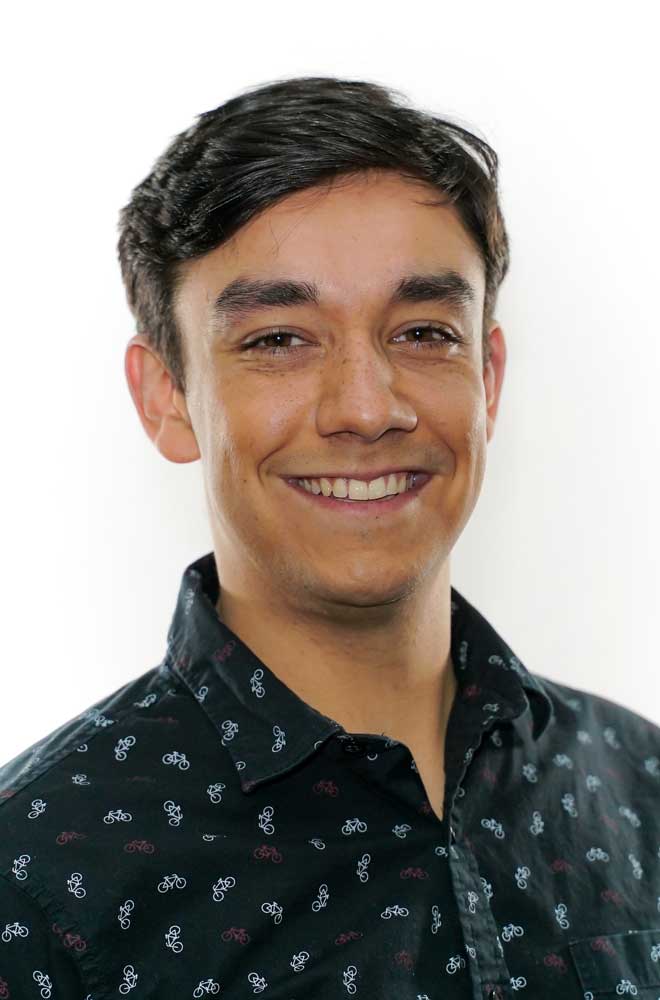
BFA Maryland Institute College of Art, Baltimore, MD 2018 - Lyon is a graphic designer with 10 years of experience in brand identity, website design, motion graphics, and video production. As the BPM creative developer, Lyon is responsible for the design of the website, presentations, and promotional materials.
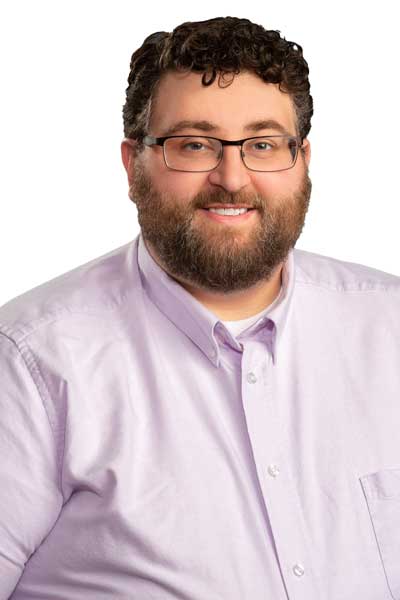
PhD West Virginia University, 2020. – Dr. Ayers has more than 10 years working in genetics in a range of organisms from yeast to humans. He manages the laboratory environment for BPM and uses his laboratory expertise to perform large-scale experiments that produce the majority of data used in the lab’s ongoing projects by its computational personnel. Most of his time is spent using manual extractions and liquid handling robotics to perform sample preparation and produce sequencing libraries, including those for bulk and single nucleus genomic and epigenomic datasets.
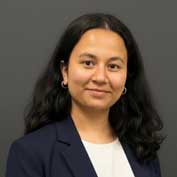

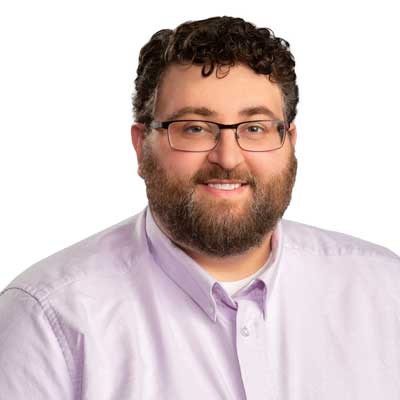
2018-2019
Jerry Guintivano (Ph.D.), Post-Doctoral Researcher, University of North Carolina, Department of Psychiatry, Sullivan Lab
2017-2019
Laura Han, Ph.D Candidate, VU University Medical Center, Department of Psychiatry, Mental Healthcare Center GGZinGeest

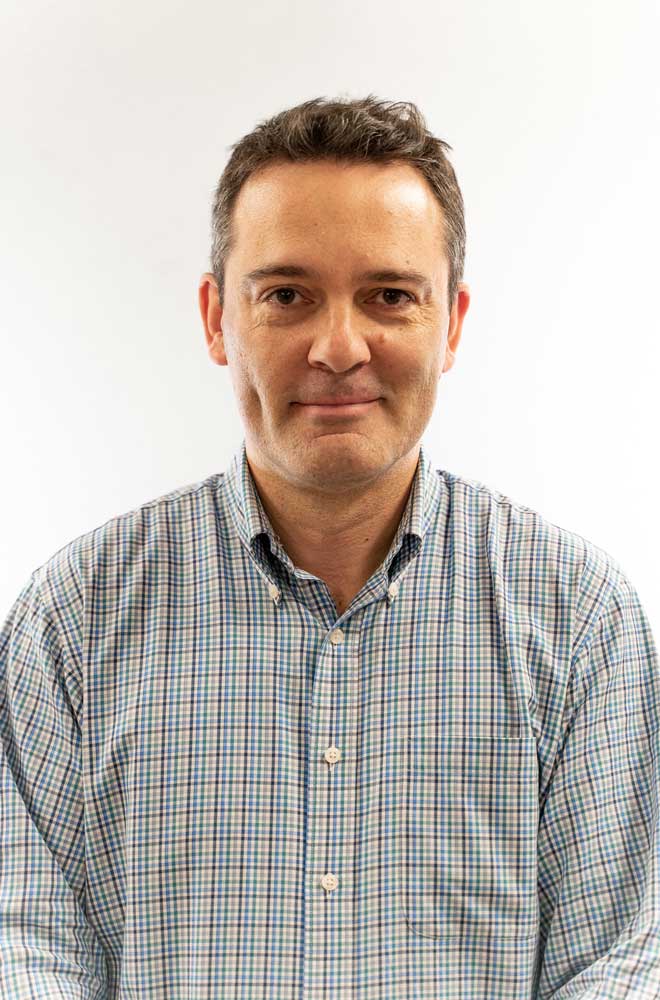
PhD University of the Basque Country, Bilbao, Spain, 2001 — Dr. González-Maeso is interested in the structure, function and regulation of G protein-coupled receptors (GPCRs), their interacting proteins, and psychiatric disease associations, such as schizophrenia and depression. In addition, his laboratory aims to understand the molecular, cellular, and neural circuit mechanisms by which environmental factors and chronic drug exposure alter behavior. His investigation is based on the combination of interdisciplinary approaches ranging from computer structural modeling and molecular pharmacology to neurochemistry, epigenetics, mouse behavioral assays relevant to psychiatric disorders, and functional testing in postmortem human brain samples. Ultimately, his goal is to use this basic knowledge to develop new approaches for treatment and prevention of psychiatric disorders.
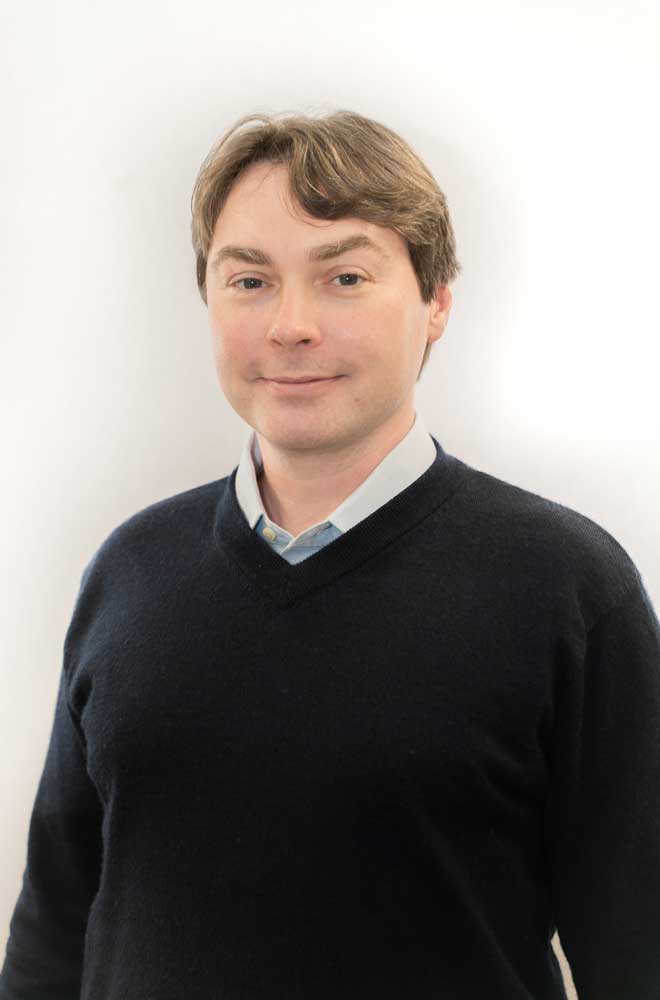
PhD King’s College London, 2003 - Dr. McClay was trained in complex trait genetics, with a focus on behavioral disorders and response to central nervous system drug therapies. His translational research program continues to focus on these areas. Current projects include 1) mapping genetic regulatory networks for schizophrenia and depression, 2) characterizing novel pharmacogenes associated with antipsychotic drug response, and 3) testing genetic regulatory influences on pharmacokinetic and pharmacodynamic processes.

PhD University of Minnesota Minneapolis, MN 1982, Dr. Beardsley was trained as a behavioral pharmacologist. His research focuses on the development of medications for treating drug abuse and other CNS disorders, as well as evaluating drugs for their abuse-related properties. For this research, he uses a broad range of in vivo pharmacological procedures to identify the behavioral effects of drugs and their mechanisms of action that may be common with drugs of abuse or may block or attenuate the abuse-related effects of abused drugs. Dr. Beardsley is also active in the regulatory control of drugs of abuse and is a member of the Expert Committee on Drug Abuse for the World Health Organization.
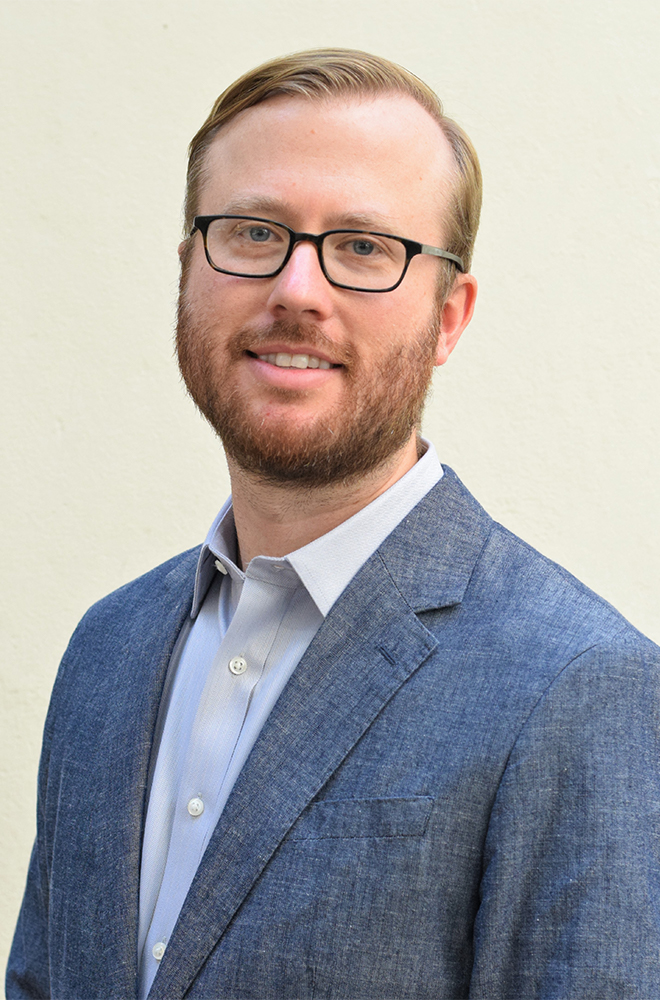
PhD Vanderbilt University, 2014 – Dr. Hamilton is a molecular neurobiologist with a training emphasis in protein biophysics and chromatin biology. His laboratory’s research focuses exploring the molecular mechanisms of addiction and depression through the use of rodent models to understand how chronic exposure to drugs of abuse and stress changes gene expression and epigenetic landscape within the brain’s limbic regions. Dr. Hamilton’s group specializes in the design, synthesis, and delivery of neuroepigenetic editing tools to discrete brain regions within awake and behaving rodents. DNA-locus targeted epigenetic/transcriptional editing delivers a single addiction- or depression-associated molecular alteration within an intact nervous system, providing insights into its causal contribution to neuropsychiatric syndrome pathogenesis, and guiding the development of more efficacious addiction and depression pharmacotherapies.